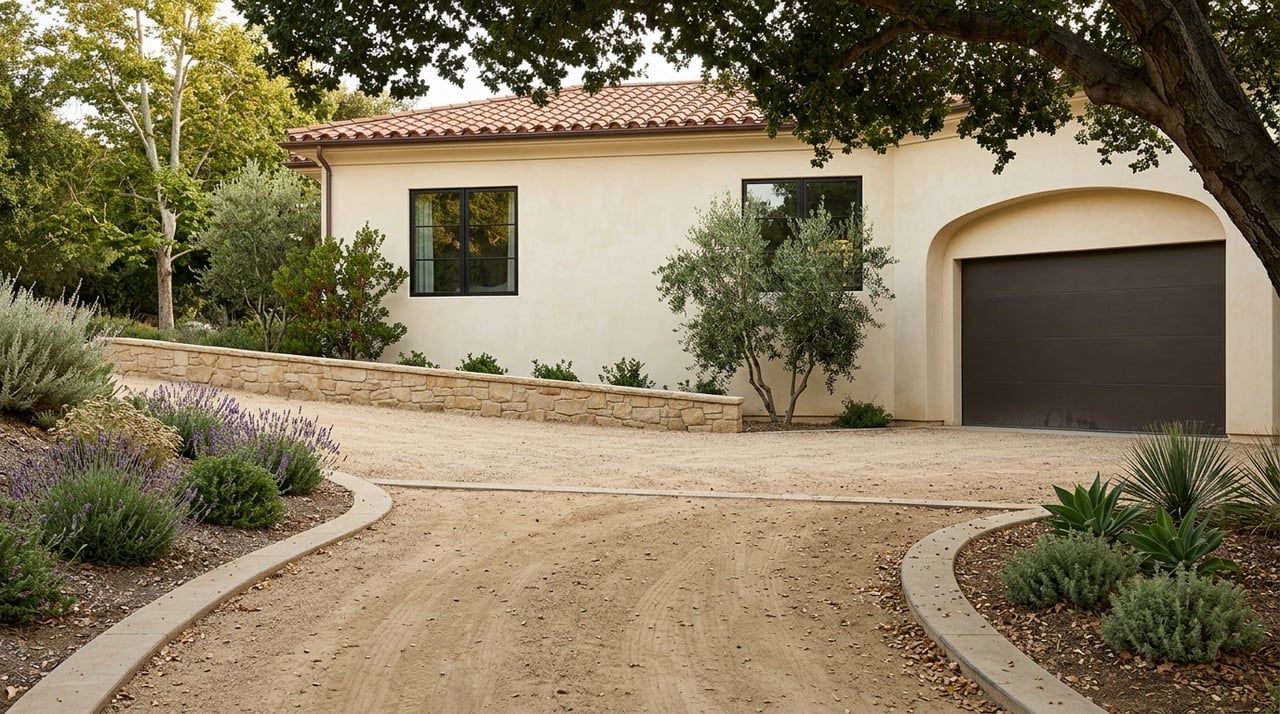
Buying Homes With Land In Placerita Canyon
July 16, 2026
July 16, 2026
If you are looking for a home with land in Placerita Canyon, you are probably not shopping for a typical suburban setup. You may want more space, more privacy, room for animals, or a property that feels connected to trails and the natural landscape. The upside is that Placerita Canyon offers a distinct rural setting in the 91321 area, but the tradeoff is that every property needs careful review. This guide will help you understand what “homes with land” really means here and what to check before you buy. Let’s dive in.
Placerita Canyon has a very specific identity shaped by local rules and the surrounding environment. The Placerita Canyon Special Standards District is designed to protect and preserve a secluded, rural equestrian character, support privacy, preserve trail access, and limit urban-style infrastructure.
That means this area is intentionally different from a standard tract-home neighborhood. You may see fewer features like street lights, curbs, sidewalks, and concrete flood-control improvements. Instead, the focus is on maintaining a more natural setting that supports the canyon’s character.
Placerita Canyon State Park reinforces that appeal. The park in Newhall preserves the site of California’s first gold discovery and includes hiking trails, wildlife viewing, a visitor center, and seasonal streams with riparian oak woodlands. County trail planning materials also place the park within the broader Santa Clarita Valley trail system.
In Placerita Canyon, extra land can mean more than just a larger lot. It can affect how you use the property, how you access it, and what responsibilities come with ownership.
Some buyers are drawn to the equestrian character of the canyon. Under the district rules, lots from 5,000 to under 15,000 square feet may allow two horses or similar animals, subject to the applicable animal-keeping rules. If that matters to you, lot size alone is not enough. You will want to confirm the exact use standards for the specific parcel.
Land can also come with trail-related features or obligations. New development must provide riding and hiking trails, rustic wood fencing, access at river crossings, and no obstructions within designated trails. In practice, that can affect how a property feels, how it is developed, and how open space connects through the area.
Another key difference is infrastructure. New development in the district does not require curbs, gutters, or sidewalks, and street lights are limited to road-to-road intersections. At the same time, all-weather emergency vehicle access is required, which makes access a major part of any purchase decision.
In a canyon setting, two nearby properties can have very different conditions. That is why buying a home with land in Placerita Canyon usually requires more detailed due diligence than buying a typical neighborhood home.
Official materials discuss both city and unincorporated Placerita Canyon. Because of that, jurisdiction may vary by parcel, and the rules that apply to one property may not fully match the next one over. Before you make assumptions about development standards, trail rules, or permit requirements, confirm whether the property is governed by city or county rules.
This is one reason local guidance matters so much. A home may look straightforward online, but the real story often comes from the lot layout, access, utility setup, hazard exposure, and any easements tied to the land.
When you are evaluating homes with land in Placerita Canyon, these are some of the most important things to review early.
If you want room for horses or similar animals, start with the basics. Verify the lot size, current improvements, and whether the intended use fits the district’s standards and any property-specific conditions.
Even if the area has a strong equestrian identity, not every parcel will function the same way. Existing fencing, trail access, slope, and usable yard area can all affect whether a property works for your goals.
Access is a major issue in land-oriented properties. Some homes may rely on private roads, private drives, or shared access arrangements that need close review.
The district standards note that some projects may require a property-maintenance or homeowner-maintenance association for private roads, drives, and trail easements. You should understand who maintains access, how costs are shared, and whether emergency vehicles can reach the property in all weather.
A rural feel does not always mean simple utility planning. Qualifying projects must connect to public sewer, and utilities are required to be undergrounded to the nearest off-site connection.
That makes utility verification especially important. If a property feels more rural than suburban, confirm sewer connection status, utility service details, and whether any future work could trigger added requirements.
Trails are part of the canyon’s identity, and they can affect both enjoyment and development. County trail planning materials note that trail alignments are not meant to be precise and may be refined as development clarifies connectivity.
That means a property’s relationship to trail corridors may not always be obvious from a quick online search. Review easements, development conditions, and site plans carefully if trails, privacy, or land use flexibility are important to you.
Wildfire is not a side issue in Placerita Canyon. Santa Clarita’s Local Hazard Mitigation Plan says the city is susceptible to wildland fires because of hilly terrain, dry weather, and flammable vegetation, and it specifically lists Placerita Canyon among areas subject to wildland fire danger.
For buyers, that should shape how you evaluate both the property and the long-term cost of ownership. Brush clearance, defensible space, and emergency access are practical questions, not afterthoughts.
Los Angeles County Fire Department guidance says Fuel Modification Plan approval is required before permits or land division can move forward for:
If you are buying with plans to expand, build, or add structures, this matters a lot. A property that looks promising on paper may still face time, design, or cost limits because of wildfire-related requirements.
Flooding is another issue that deserves parcel-specific review. The city’s November 2024 Placerita Canyon flood presentation shows FEMA flood zones A, AE, X-shaded, and D in the unincorporated canyon area.
The city also notes that Special Flood Hazard Areas can trigger flood insurance requirements for federally backed loans. In addition, the hazard plan says portions of Placerita Canyon can experience intermittent flooding, and some roads may become impassable during storm events.
For you as a buyer, that means drainage is not just a technical detail. It can affect financing, access, insurance costs, and how usable the property feels during parts of the year.
Before you move forward, it helps to ask focused questions such as:
In a canyon market, these answers can have a major impact on your decision.
One of the biggest mistakes buyers make is treating a land-oriented property like a standard home search. In Placerita Canyon, square footage and bedroom count only tell part of the story.
The more important questions often involve site conditions. You need to know how the lot drains, how access works, what maintenance responsibilities exist, whether trails or easements affect use, and how wildfire standards could influence future plans.
This is also true for investors. Properties with more land here tend to be more site-specific than tract homes, so the real underwriting focus should be on parcel conditions rather than just the home’s basic specs.
If you are serious about buying a home with land here, a careful process can save you time and reduce surprises later.
Think beyond the phrase “large lot.” Decide what you actually want the land to do for you.
For example, you may want:
Your goal should shape which properties make sense to pursue.
Early property research can help you avoid chasing homes that do not fit your plans. Access, utility connections, drainage, hazard exposure, and jurisdiction should all be reviewed before you get too far into a transaction.
This is especially important in areas where rural character and development standards intersect. What looks charming can also come with added complexity.
Buying in a place like Placerita Canyon works best when you have patient, honest guidance and a clear process. You want to understand the property as a whole, not just the listing photos.
That includes asking better questions, spotting issues early, and making sure the home fits your lifestyle or investment strategy before you commit.
If you want help evaluating homes with land in Placerita Canyon or nearby Santa Clarita areas, Sergei Hovsepyan offers clear, local guidance so you can move forward with confidence.
Stay up to date on the latest real estate trends.
Let’s make your next move the right one. I take pride in offering real guidance, clear communication, and a stress-free experience from start to finish. If you're ready to buy, sell, or just explore your options — I’m here to help.