Buying a home in Porter Ranch comes with a big question: can you secure the right insurance at the right price in a wildfire‑prone area. You want to protect your future home without surprises in escrow or at renewal. In this guide, you will learn how coverage works in high‑risk zones, which improvements can help you qualify and save, and how to budget premiums into your monthly payment. Let’s dive in.
Your insurance paths in fire zones
You have three common ways to insure a home in areas with elevated wildfire risk. Each path has different rules, protections, and costs. Understanding how they work will help you plan your search and avoid closing delays.
Admitted carriers
Admitted carriers are regulated by the California Department of Insurance. They often offer broad homeowner policies and are backed by the state guaranty protections. In Porter Ranch, many homes still qualify with admitted carriers, especially properties with hardening and good defensible space. Availability and price can vary by address, construction, and proximity to brush.
Surplus lines carriers
Surplus lines carriers step in when admitted carriers decline a risk. These are non‑admitted insurers with different oversight and no state guaranty fund protection. They can tailor coverage for homes near open space or in the Wildland‑Urban Interface. Premiums are often higher and terms can be different, so ask detailed questions about deductibles and any wildfire sublimits.
California FAIR Plan and wrap policies
The California FAIR Plan is an insurer of last resort that provides basic fire coverage when you cannot find a full policy on the open market. The FAIR Plan usually covers fire and limited perils only. To meet lender requirements and to protect against other risks like liability, theft, or water damage, buyers commonly add a separate “wrap” or difference‑in‑conditions policy from an admitted or surplus lines carrier. Expect your lender and escrow to require proof that the combined coverage meets their hazard insurance standards before closing.
How insurers view Porter Ranch risk
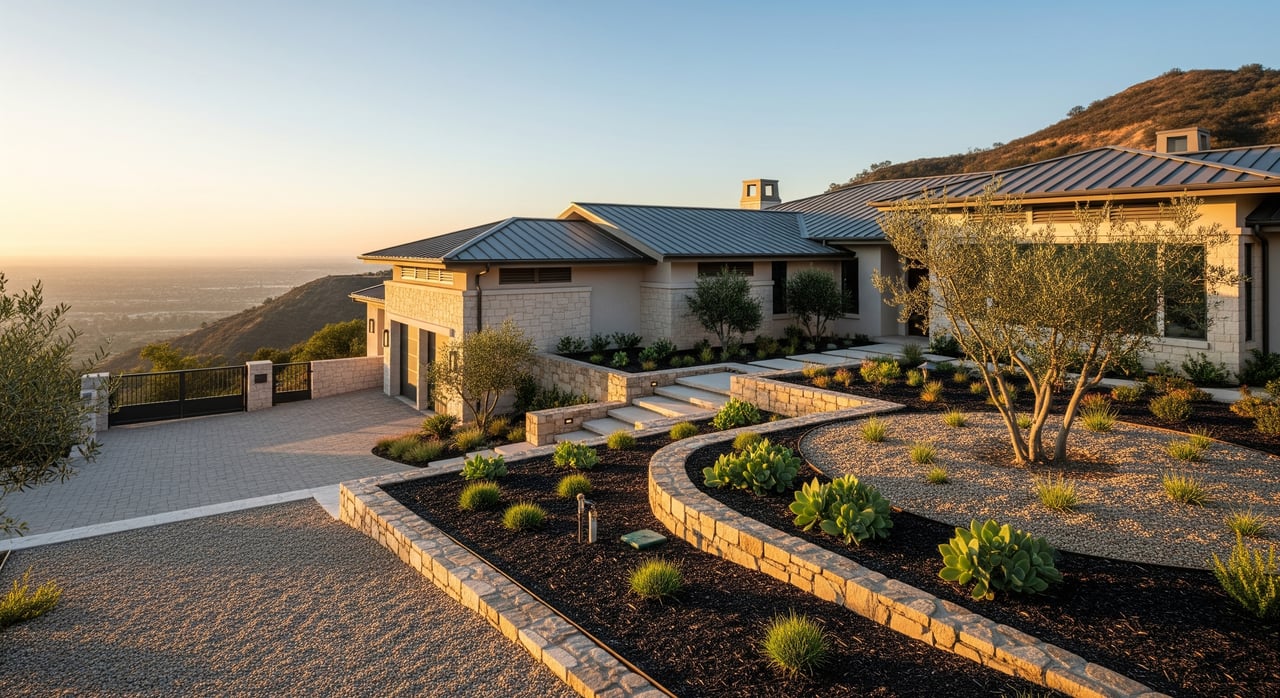
Porter Ranch sits along the northern edge of the San Fernando Valley near chaparral‑covered hills and canyons. Some properties are within the Wildland‑Urban Interface, which raises exposure to ember storms and seasonal winds. Because of this, two homes on the same street can receive very different quotes based on the parcel’s risk factors and construction details.
Where to check an address
- CAL FIRE Fire Hazard Severity Zone maps for state hazard designations and WUI status.
- Los Angeles County or city fire department resources for defensible‑space rules and local maps.
- Los Angeles County GIS or similar parcel tools where available for hazard layers.
- Your broker or insurance agent’s address‑level underwriting tools for a risk grade and available products.
What affects availability and price
- Roof and siding materials, attic and foundation vents, and how well openings are screened.
- Distance to brush and quality of defensible space around the home.
- Construction features, such as enclosed eaves and under‑floor areas, dual‑pane or tempered windows, and garage door sealing.
- Community mitigation, such as neighborhood vegetation management and recognized programs.
Properties in higher mapped hazard zones are more likely to face fewer admitted options, larger deductibles, or higher premiums. This is why early insurance shopping is key the moment you identify a target home.
Home hardening that can lower premiums
Insurers reward steps that reduce ignition and ember intrusion. These measures can help you qualify with more carriers and may unlock credits.
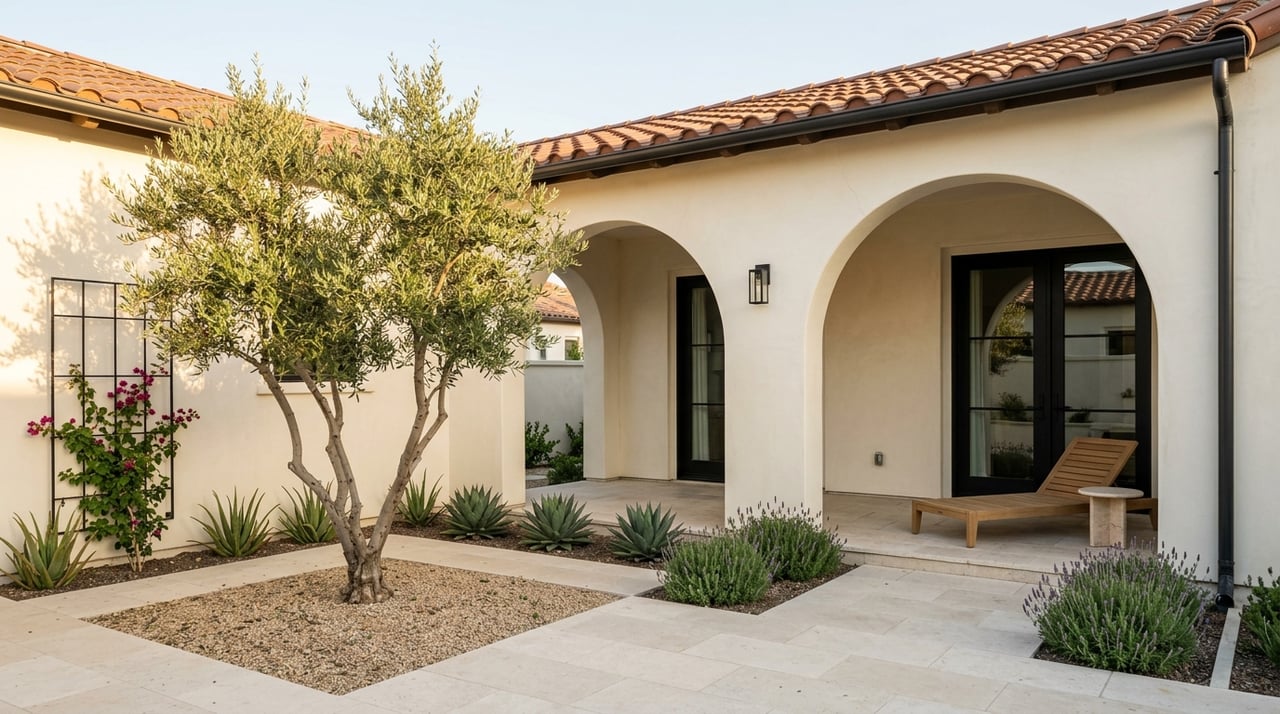
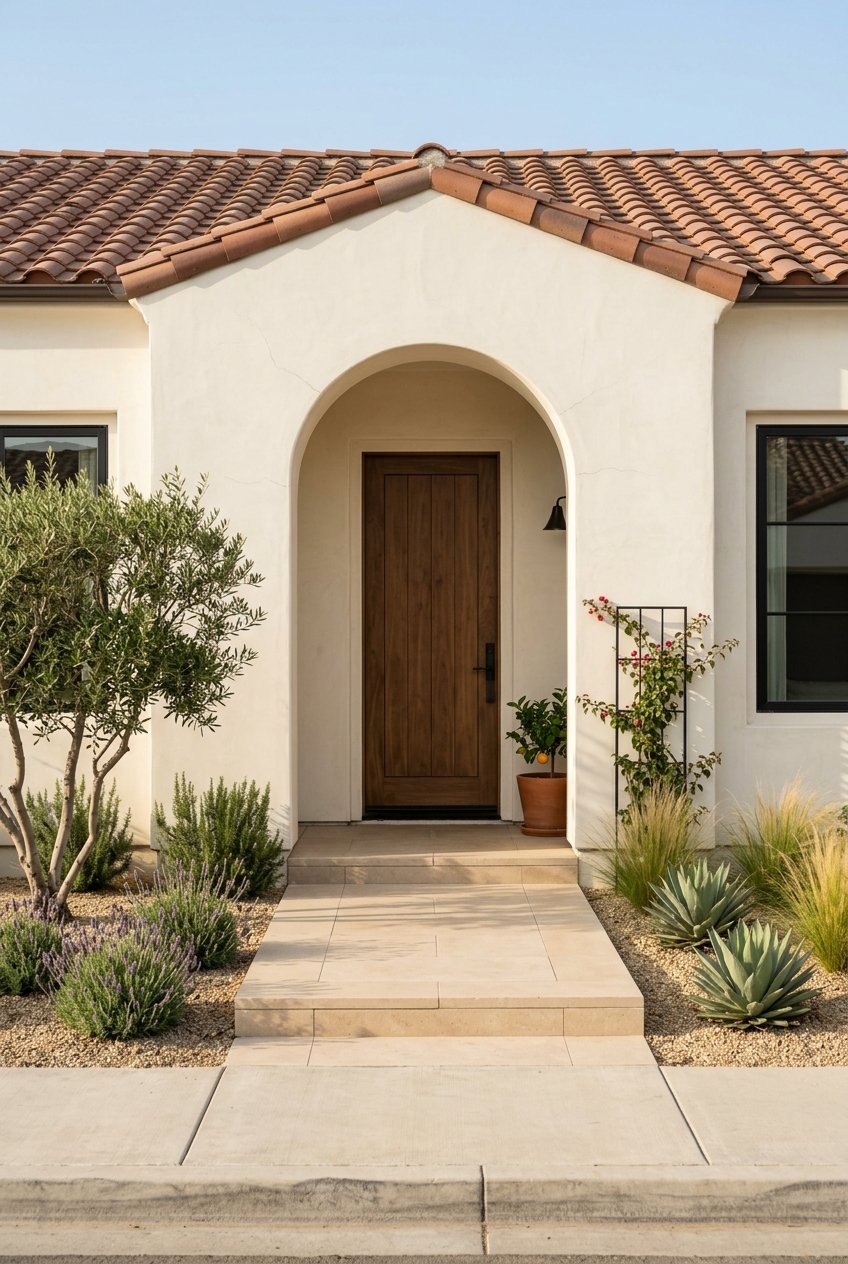
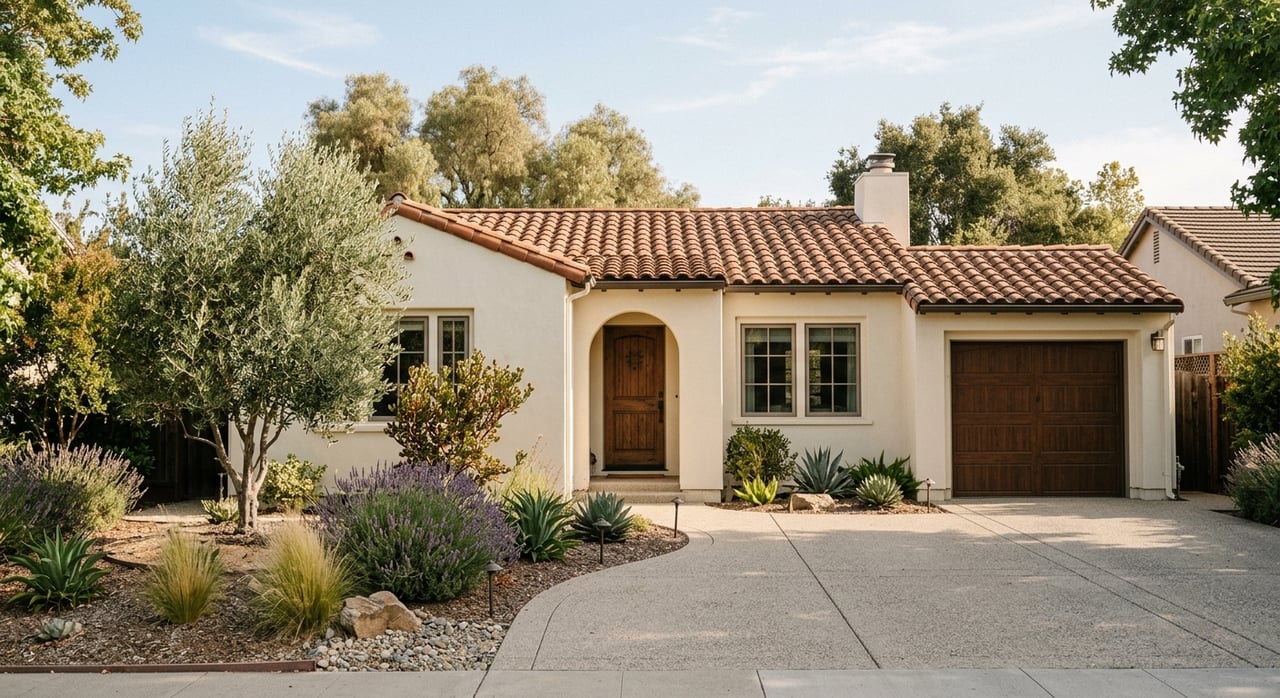
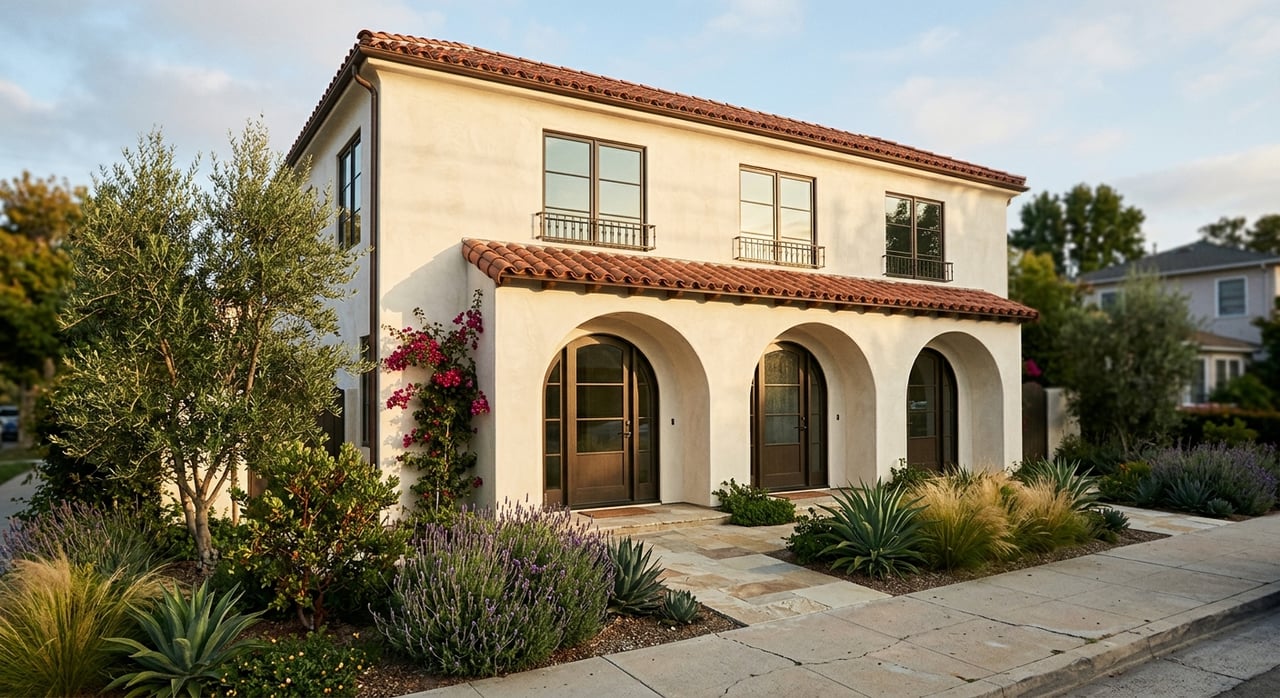
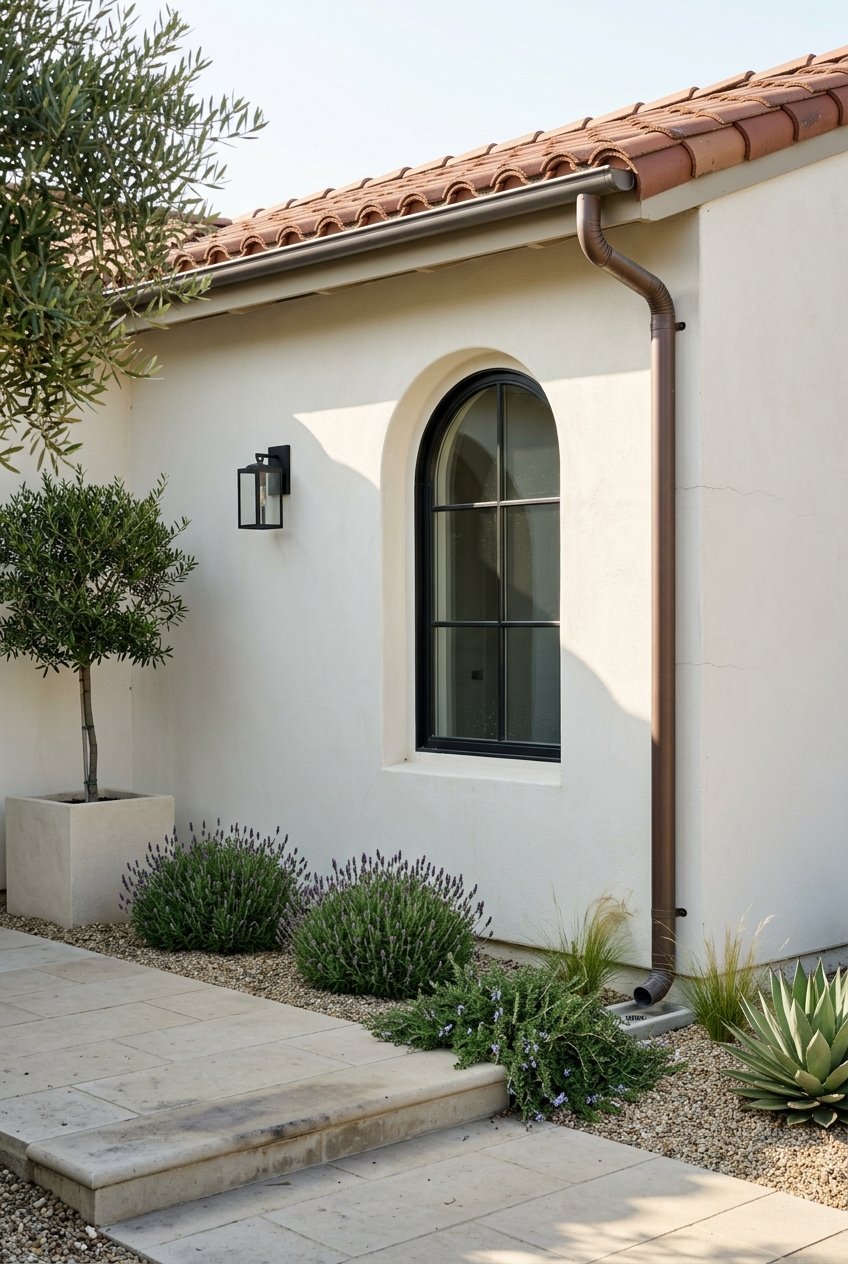
- Class A fire‑resistant roofing such as tile, metal, or qualifying composites.
- Ember‑resistant attic and foundation vents with fine mesh.
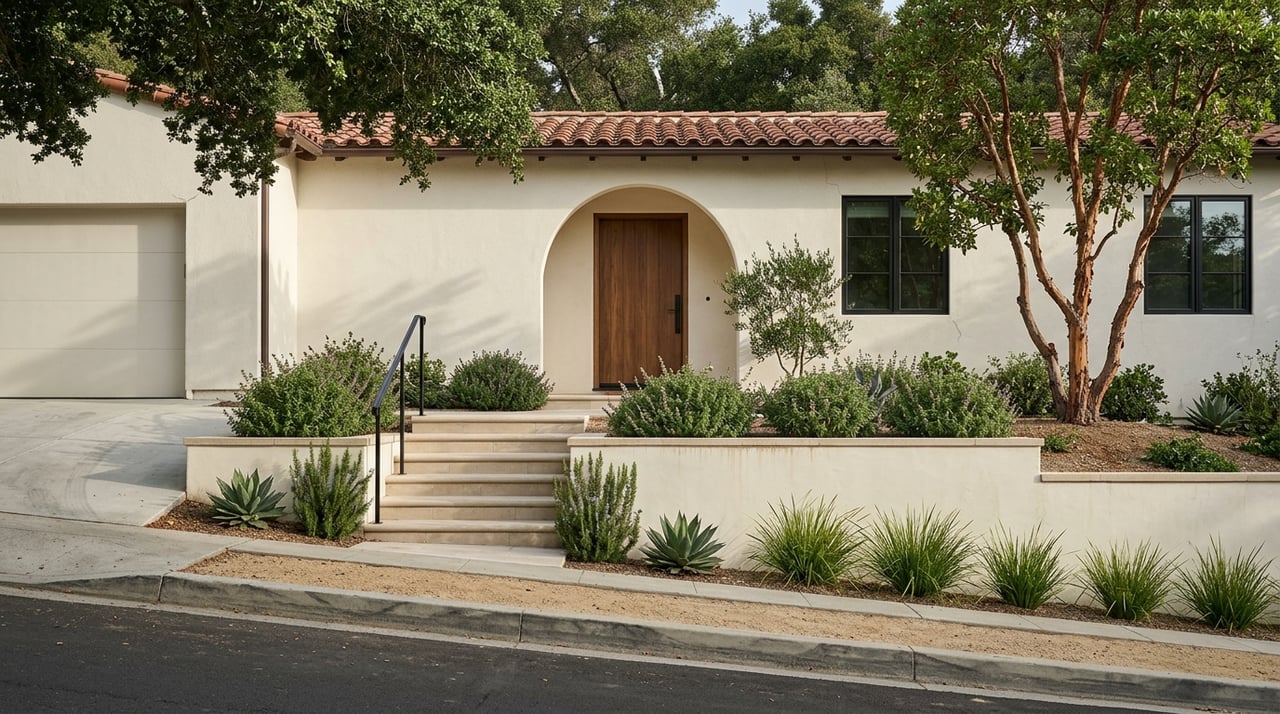
- Defensible space through smart vegetation management and a reduced‑fuel zone near structures.
- Hardened eaves, soffits, and non‑combustible siding such as stucco or cementitious panels.
- Enclosed under‑floor areas and screened openings to limit ember entry.
- Dual‑pane or tempered glass windows and a well‑sealed, self‑closing garage door.
- Interior fire sprinkler systems and accessible exterior hose lines.
- Participation in recognized community mitigation efforts.
How discounts and credits usually work
- Many admitted carriers and some surplus lines insurers offer credits for Class A roofs, ember protection, and documented defensible space.
- Some carriers provide multi‑policy discounts when you bundle home and auto.
- Credits may require photos, contractor invoices, or an inspection, and they can be reassessed at renewal.
- Each carrier’s program is unique, so request written confirmation of any credit and how to keep it.
If you plan upgrades, ask the insurer if they can underwrite based on signed contracts and scheduled completion. At minimum, line up bids so you can secure credits soon after closing.
Budgeting insurance in your PITI
Your lender will require hazard insurance, and the annual premium is part of your monthly payment if you use an escrow account. In higher‑risk zones, premiums and deductibles can be higher, which affects affordability.
- Get written quotes early in escrow. Provide the full address, construction details, roof age and material, and clear photos.
- Ask your lender what policy forms and limits they accept. Some require replacement‑cost coverage and specific endorsements.
- If you need the FAIR Plan, confirm whether your lender accepts it alone or requires a wrap policy for liability and non‑fire perils.
- Model the wildfire deductible. Some carriers set a separate percentage deductible for wildfire losses based on your dwelling limit.
Documents that help you get accurate quotes
- Property address and year built.
- Roof type, roof age, and any retrofits.
- Siding, windows, garage door type, and vent details.
- Notes on defensible space and recent vegetation work.
- Photos of the exterior and roof, plus any invoices for upgrades.
A step‑by‑step plan for Porter Ranch buyers
- Shop early with multiple sources. Request quotes from at least two admitted carriers and one experienced surplus lines broker.
- Disclose mitigation. Share invoices, photos, or inspection reports for roof, vents, and defensible space to earn available credits.
- Clarify deductibles and sublimits. Ask in writing about any separate wildfire deductible and how it applies in a total loss.
- Confirm lender acceptance. Make sure your policy type, limits, and insurer meet your lender’s guidelines.
- Have a FAIR Plan backup. If the open market is limited, get a FAIR Plan quote and line up a wrap policy for liability and non‑fire risks.
- Plan for renewal. Keep defensible space current and document maintenance to support credits and minimize future rate swings.
Realistic expectations for this market
Being close to open space does not automatically push you to the FAIR Plan. Many Porter Ranch homes still place coverage with admitted carriers, especially when hardened and maintained. That said, prepare for fewer options, higher premiums, or larger deductibles than a low‑risk suburban home. The more you can document mitigation, the better your chances for competitive offers.
How we help you plan with confidence
Insurance is part of your buying strategy, not an afterthought. When you tour homes, we help you flag risk factors, gather the details insurers need, and time your quotes so escrow stays on track. We also coordinate with your lender early so there are no surprises at closing. If you want a calm, clear plan to align your home search with insurance realities, schedule a free consultation with SH Realty & Finance.
FAQs
What does homeowners insurance look like for Porter Ranch fire zones
- You will compare admitted carrier quotes, surplus lines options, and the California FAIR Plan. Many buyers combine the FAIR Plan with a wrap policy to meet lender and coverage needs.
How do I know if a specific Porter Ranch address is high risk
- Check CAL FIRE hazard maps, local fire department resources, and ask a broker to run the address through underwriting tools. Risk varies by parcel, construction, and defensible space.
What home hardening steps do insurers recognize most
- Commonly recognized items include Class A roofs, ember‑resistant vents, defensible space, hardened eaves and siding, dual‑pane or tempered windows, and sealed garage doors.
Will the FAIR Plan cover everything my lender wants
- The FAIR Plan focuses on fire and limited perils. Most lenders require additional coverages, so buyers typically add a wrap policy for liability and non‑fire risks.
Can mitigation actually lower my premium in Porter Ranch
- Yes. Many carriers offer credits for documented hardening and defensible space. Credits vary by insurer and often require inspections, photos, or invoices.
How should I budget insurance into my monthly payment
- Get quotes early and confirm lender requirements. Build the annual premium and any wildfire deductible into your PITI estimate, and plan for possible changes at renewal.