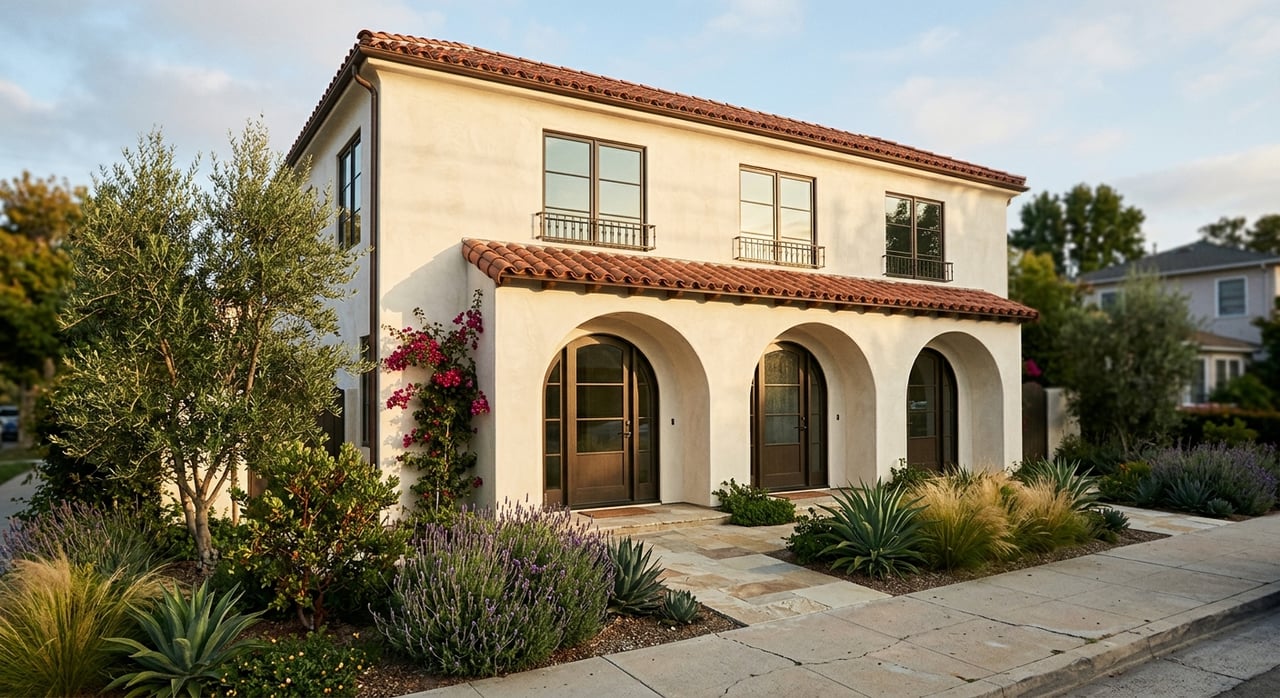
Investing In North Hollywood Small Rental Properties
May 14, 2026
May 14, 2026
If you are thinking about buying a small rental property in North Hollywood, you are probably asking the right question: does the math still work here? This part of Los Angeles gives investors a mix of transit access, varied property types, and rent potential, but it also comes with local rules that can shape your returns. In this guide, you will get a practical look at pricing, rent ranges, common building setups, and the regulations that matter most so you can evaluate opportunities with more confidence. Let’s dive in.
North Hollywood remains an active investor market, especially for buyers looking at duplexes, triplexes, and fourplexes. Redfin’s March 2026 neighborhood data shows a median sale price of $850,000 for all home types, with homes averaging 51 days on market. For multifamily specifically, Redfin shows 59 listings at a median asking price of $1.35 million, while Mid-Town North Hollywood shows a lower multifamily median asking price of $1.15 million.
A big part of the area’s appeal is location and access. North Hollywood Station is served by the Metro B and G Lines, Metrolink, and local bus service. The City’s District NoHo Specific Plan is centered on transit-oriented mixed use around the station and is intended to support the NoHo Arts District, which helps explain why this area continues to attract both residents and investors.
If you are investing in North Hollywood small rental properties, one of the first things you will notice is how wide the pricing range can be. Unit count matters, but so do condition, vintage, parking, outdoor space, and whether the property has newer systems or added amenities. In practice, the market can stretch from lower-priced duplex opportunities to newer fourplexes well above $2 million.
Here is a practical breakdown based on representative examples from the research.
Duplexes often offer the lowest entry point for small multifamily buyers in this neighborhood. Common setups include two 2-bedroom, 1-bath units or side-by-side cottage-style units with yards and parking. Recent examples include a duplex that sold for $675,000 and another 2-bedroom, 1-bath duplex that sold for $825,000.
For many investors, duplexes can be appealing because they may be easier to finance and manage than larger buildings. They can also offer flexibility, especially when the layout includes separate outdoor areas or parking that supports stronger tenant demand.
Triplexes sit in an interesting middle ground. A common unit mix is two 1-bedroom, 1-bath units plus one 2-bedroom, 1-bath unit. One North Hollywood triplex sold for $777,000 in 2021 and is now estimated around $1.01 million, which shows how quickly values can move when income and condition improve.
That matters if you are looking for a value-add opportunity. A smaller triplex may offer a more approachable basis than a fourplex while still giving you multiple income streams and room to improve operations over time.
Fourplexes show the widest range in this market. Current examples include a $1.395 million fourplex with four 2-bedroom, 2-bath units, a $1.595 million fourplex with a mixed unit setup plus a new ADU, and a newer $2.295 million fourplex with larger 3-bedroom and 4-bedroom units.
This is where amenities and newer construction can push pricing much higher. If you are comparing fourplex options, it is important to look beyond unit count and focus on size, age, layout, and projected rents.
Rent potential in North Hollywood is not one-size-fits-all. The neighborhood supports a fairly broad rent range, and the difference often comes down to unit size, property condition, and features that make daily life easier for tenants.
Apartments.com lists North Hollywood rents at $1,907 for a one-bedroom and $2,428 for a two-bedroom as of May 2026. RentCafe reports an average apartment rent of $2,507, with a $3,323 average for three-bedroom units. Those numbers suggest that the low-to-mid $2,000s are a useful reference point for many smaller units, while larger or newer units can push much higher.
Listing examples help show the spread. A 2025 North Hollywood duplex had one 2-bedroom, 1-bath unit leased at $1,900 per month, which aligns more with older or simpler housing stock. On the other hand, a newer 2018 fourplex listed in 2026 projected rents of roughly $2,900 to $3,100 for 3-bedroom units and $3,500 to $3,600 for 4-bedroom units.
That gap is important when you underwrite a deal. Two properties in the same neighborhood can perform very differently depending on how updated they are and what features they offer.
Several tenant-facing features show up again and again in stronger North Hollywood listings. These features can help explain why one property rents faster or for more than another.
Common rent-supporting features include:
In a market like North Hollywood, these details can make a meaningful difference. If you are comparing properties, it helps to think about which features support tenant retention and which ones may justify future upgrades.
North Hollywood’s transit connectivity is a real part of its investment story. With access to Metro B and G Lines, Metrolink, and bus service, the area offers transportation options that many renters value. The City’s planning documents also emphasize a pedestrian- and transit-oriented district around North Hollywood Station.
That does not guarantee performance for every property, but it does support the broader case for tenant demand in the area. Listings also point to proximity to the station, NoHo West, and walkable amenities as selling points, which reinforces the idea that location inside the neighborhood can shape rental appeal.
In Los Angeles, local regulations are not a side issue. They are a core part of how you analyze and operate a rental property. If you are buying in North Hollywood, understanding these rules early can help you avoid underwriting mistakes.
According to LAHD, the Rent Stabilization Ordinance generally applies to properties built on or before October 1, 1978. Covered property types can include apartments, condominiums, townhomes, duplexes, two or more single-family dwellings on the same parcel, ADUs, and JADUs.
LAHD also states that the annual registration fee is $38.75 per rental unit. All units rented or offered for rent must be registered annually, and rent amounts must be reported through the rent registry by the last day of February each year. For the period from July 1, 2025 through June 30, 2026, the current RSO rent increase is 3%.
If a property is not covered by the RSO, that does not mean there are no rent rules. LAHD says the City’s Just Cause Ordinance covers most residential properties not regulated by the RSO. California’s Tenant Protection Act generally caps annual rent increases at 5% plus CPI, up to 10%, and includes just-cause protections for many covered tenancies after 12 or 24 months.
The California Courts guide also notes some important exemptions. These can include housing with a certificate of occupancy issued within the previous 15 years and, in certain cases, an owner-occupied duplex at the start of the tenancy.
LAHD says that properties with two or more residential units on a parcel, where at least one unit is rented or offered for rent, fall within Housing Code inspection scope. That means compliance is not just something to review before closing. It becomes part of ongoing ownership.
For investors, this usually means staying organized with records, notices, registration, habitability standards, and inspection readiness. If you are buying from out of the area or managing multiple properties, those tasks can add up quickly.
North Hollywood can work for both value-add investors and long-term holders, but it is not a simple market. You need to look past the listing headline and understand what is really driving income and risk.
As you review a property, pay close attention to:
A lower-priced duplex may offer a more accessible entry point and room for improvement. A newer fourplex may support stronger rents right away, but it also comes with a higher purchase price and a different return profile.
There is no single best small multifamily play in North Hollywood. The better fit depends on your budget, your comfort with regulation, and how hands-on you want to be after the purchase.
If you want a lower barrier to entry, an older duplex or triplex may be worth exploring. If you prefer newer construction and larger units with higher projected rents, a fourplex may be the better match. In both cases, the key question is not just what the property is, but how well the unit mix, rent potential, regulatory status, and management plan fit your goals.
North Hollywood continues to offer opportunity, but careful analysis matters here. If you want local guidance on finding an investment property, evaluating the numbers, and coordinating next steps after closing, Sergei Hovsepyan can help you move with confidence.
Stay up to date on the latest real estate trends.
Let’s make your next move the right one. I take pride in offering real guidance, clear communication, and a stress-free experience from start to finish. If you're ready to buy, sell, or just explore your options — I’m here to help.