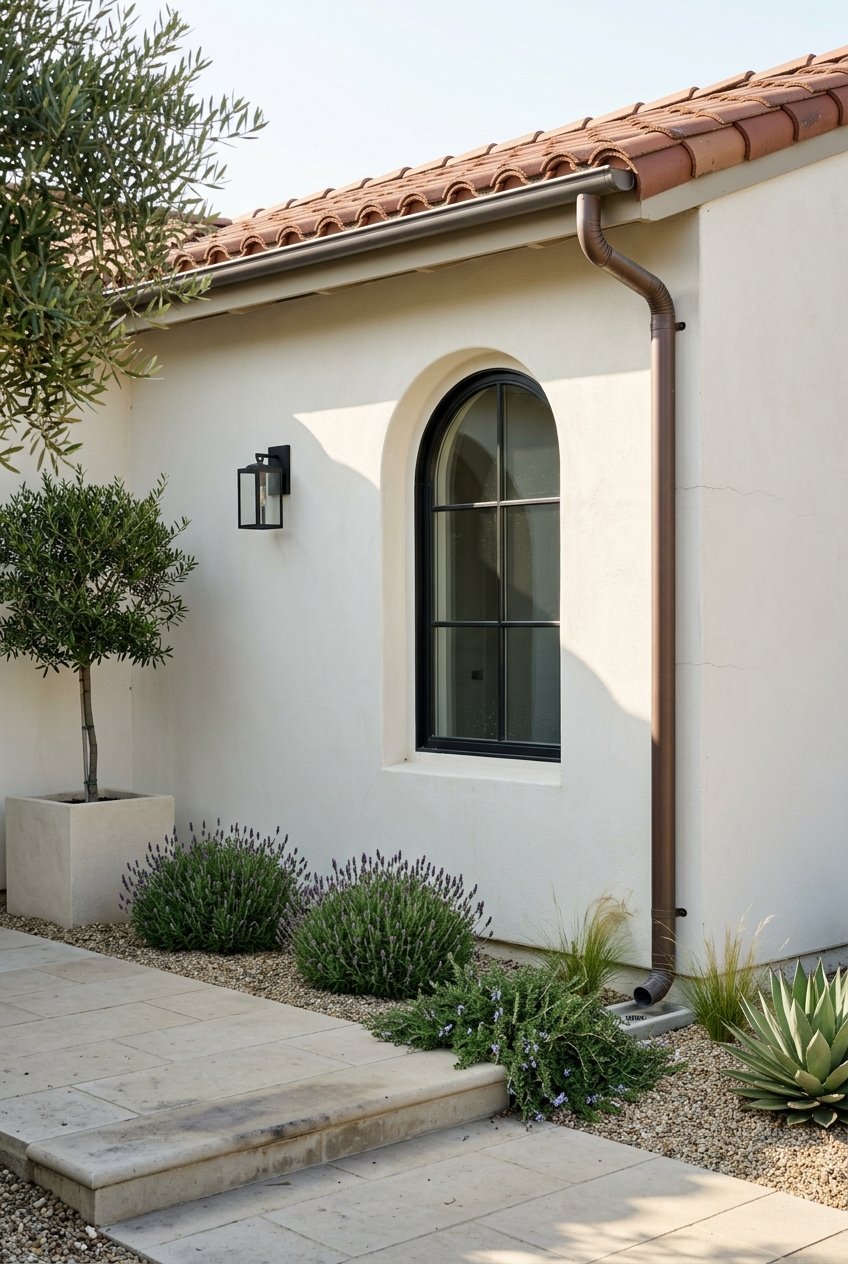
Preparing Your Burbank Home For A Smooth Appraisal
April 16, 2026
April 16, 2026
Worried your Burbank home appraisal could slow down your sale or affect your bottom line? That concern is common, especially in a market where home values are substantial and details matter. The good news is that you can take practical steps to help the appraisal process go more smoothly, reduce avoidable issues, and present your home clearly. Let’s dive in.
A home appraisal is an independent opinion of market value that a lender uses to evaluate the property as collateral. According to the Consumer Financial Protection Bureau, the appraiser considers factors like the home’s location, lot size, market conditions, comparable sales, and what can be observed during the interior and exterior inspection of accessible areas.
In Burbank, that process matters because values are high. Recent market trackers placed Burbank home values roughly in the low $1.2 million to $1.3 million range, with Zillow reporting an average home value of $1,200,885 as of March 31, 2026. That does not mean every home will appraise the same way, but it does show why careful preparation can be worth your time.
An appraiser is not comparing your home to the nicest house on the block. Fannie Mae’s appraisal guidance says the property is rated on its own merits.
That means visible deferred maintenance, repair issues, and defects that affect safety, soundness, or structural integrity can matter. For older Burbank homes, the goal is usually not to make the property feel brand new. The goal is to show that it has been maintained and that any accessible areas present as functional, safe, and cared for.
You do not need a major remodel before an appraisal. In many cases, smaller improvements are the smartest use of your time and budget.
Freddie Mac recommends taking care of minor repairs, freshening paint, and clearing clutter before the visit. It specifically notes that issues like leaky faucets, flickering light bulbs, and unsecured stair railings can affect the condition rating.
A simple pre-appraisal checklist can include:
These steps will not override market comps, but they can help your home present more clearly and avoid unnecessary red flags.
It can be tempting to over-improve right before an appraisal, but that is not always the best strategy. The Appraisal Institute explains that the most useful updates often bring a home up to community standards rather than far beyond them.
That is especially relevant in Burbank, where housing stock can vary by age, size, and level of updating. Neutral paint, updated fixtures, solid curb appeal, and practical kitchen or bath improvements may help presentation. A rushed luxury upgrade that does not fit the surrounding market may not deliver the return you expect.
Presentation matters, but access matters too. Appraisers need to inspect accessible interior and exterior areas, so your preparation should help them move through the property efficiently.
Before the appointment, make sure these areas are easy to reach:
Freddie Mac also advises keeping the visit distraction-free, controlling pets, and allowing the appraiser to work at their own pace. You can be available for questions without hovering.
One of the smartest things you can do is provide organized documentation. This does not mean trying to influence the appraiser. It means making it easier for them to verify relevant details about your home.
A useful appraisal packet may include:
Freddie Mac recommends a one-page bulleted improvement list with completion dates. The Appraisal Institute also notes that homeowners may provide information they believe is important to a credible value opinion.
In Burbank, permit documentation can be especially helpful. If you completed an addition, remodel, or ADU with city approval, having that paper trail ready can make a real difference.
The City of Burbank offers a Public Records Portal where you can review permit records, inspection records, and certificates of occupancy. The city also provides online tools and status tracking for certain permit and plan-check items, which can help you gather a cleaner file before the appraisal.
If your property includes a permitted ADU, recent remodel, or other work that required approval, it is worth verifying that your records are complete before the appraiser arrives. This is one of the simplest ways to avoid confusion around improvements the appraiser may notice.
Appraisers look closely at legal and physical characteristics, and that includes features like additions and accessory dwelling units. Freddie Mac notes that appraisers consider features such as energy-efficient updates, major systems, and whether zoning allows an ADU.
If your Burbank property has an ADU or added living space, be ready to provide:
That does not guarantee a certain value outcome, but it helps support the accuracy of the report.
Even a spotless home does not appraise in a vacuum. Appraisals rely heavily on comparable sales, and Fannie Mae requires at least three closed comparable sales with similar physical and legal characteristics.
If the best comparable homes are not very recent or nearby, the appraiser can use older or more distant sales as long as the reasoning is explained. This is why cosmetic prep helps most when it improves visible condition and organization. It supports the presentation of your home, but it does not replace the importance of relevant comps.
If the appraisal comes in lower than expected, start by reviewing the facts, not the emotion. Look for objective issues like:
Freddie Mac explains that sellers usually do not receive the report directly and that appraisers generally cannot discuss the results with anyone other than the lender. If a correction is needed, the request typically has to go through the lender and should include clear supporting documentation.
That is where your records matter. A dated improvement list, permits, invoices, and final sign-offs can all help support a factual review if something in the report appears to be incorrect.
The best appraisal prep is not flashy. It is organized, practical, and focused on what the appraiser can verify. In Burbank, that usually means taking care of visible maintenance, making the home accessible, and gathering clean documentation for any meaningful upgrades or permitted work.
If you are preparing to sell and want a clear strategy before your appraisal, Sergei Hovsepyan can help you focus on the steps that support a smoother process and help you move with confidence.
Stay up to date on the latest real estate trends.




Let’s make your next move the right one. I take pride in offering real guidance, clear communication, and a stress-free experience from start to finish. If you're ready to buy, sell, or just explore your options — I’m here to help.