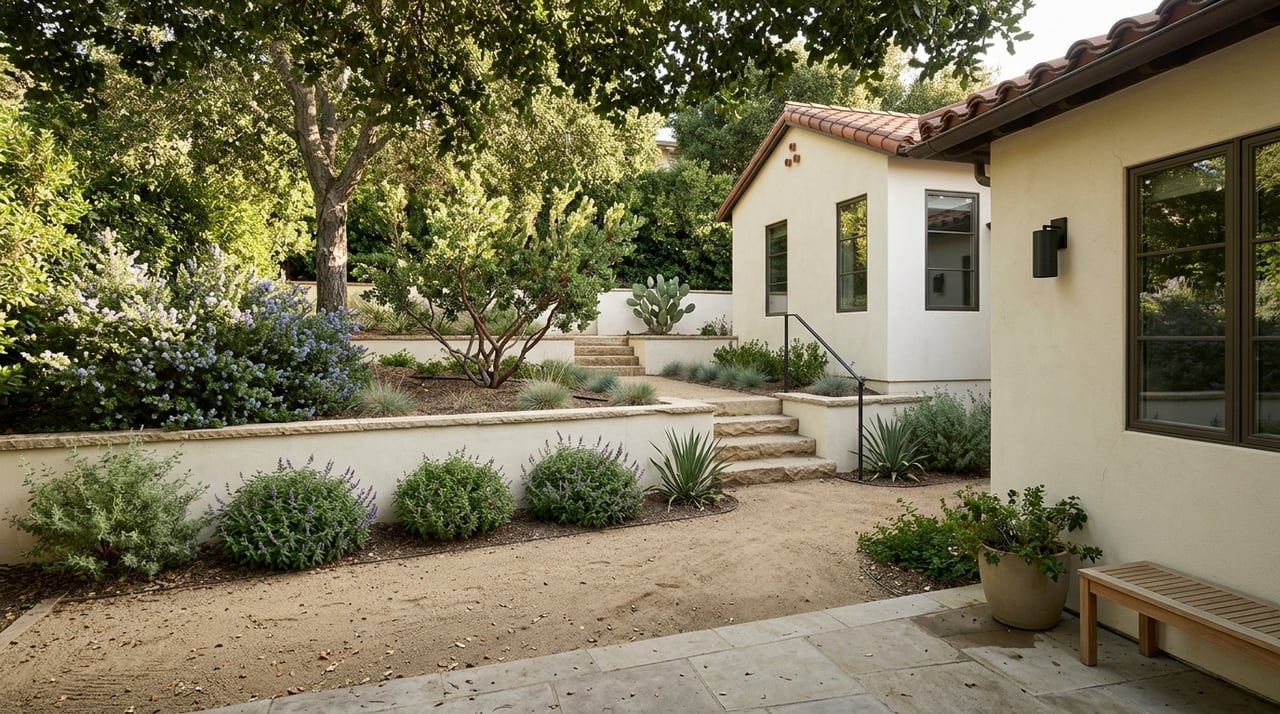
Understanding Placerita Canyon Homes And Land Options
April 2, 2026
April 2, 2026
If you are looking for more space, more privacy, or a property with room to shape around your lifestyle, Placerita Canyon may stand out right away. This part of Santa Clarita feels different from a typical suburban tract, and that difference matters when you are deciding whether to buy a home, pursue land, or plan a future build. In this guide, you will get a clear look at what Placerita Canyon homes and land options actually include, what to watch for, and how to decide if the area fits your goals. Let’s dive in.
Placerita Canyon is known in City of Santa Clarita planning materials as a rural, oak-studded, equestrian-oriented area with a special standards district intended to help preserve that character and guide development. Official documents also describe it as one of the older communities in the region, with a mix of single-family homes, horse-related uses, a mobile home park, churches, a private school, The Master's College, Melody Ranch, and the Placerita Canyon Nature Center.
That mix helps explain why the canyon does not feel uniform or highly standardized. Instead of one repeating neighborhood pattern, you are more likely to find a patchwork of private residential parcels, institutional properties, and open-space edges, as reflected in city planning documents. For many buyers, that is part of the appeal.
Placerita Canyon is better understood as a custom-home and land niche than a one-style neighborhood. Property examples cited in current research include a 5.57-acre equestrian estate on Aden Avenue and a 1.3-acre horse-zoned ranch-style property on Placerita Canyon Road, showing that homes here can come with meaningful land and specialized use potential.
This variety supports the area’s reputation for custom homes, ranch-style properties, and horse-oriented real estate. Official planning records also note that animal keeping, trails, and both residential and commercial development are part of the district framework, which reinforces the canyon’s equestrian identity in local planning materials.
While inventory changes over time, the general patterns in Placerita Canyon often include:
If you want a property that feels more tailored and less cookie-cutter, this can be a strong fit. If you prefer a highly predictable subdivision with similar lot sizes and street patterns, the canyon may feel less straightforward.
One of the biggest draws here is that land opportunities do exist, though they can vary widely. Research examples include parcels as small as 0.09 acres in Custom Placerita Canyon and as large as 21 acres near Placerita Canyon and Sierra Highway.
That range means land shopping here is not just about size. It is also about access, utilities, topography, and how usable the parcel is for your plans. Two lots with similar acreage may offer very different possibilities depending on slope, vegetation, road access, and service connections.
If you are considering vacant land or a lightly improved parcel, your due diligence should be very specific. In this area, it is smart to confirm:
Research notes show that one active vacant-lot listing referenced utilities being available nearby but not currently connected, while planning documents also mention a backbone sewer line along Placerita Canyon Road. That combination suggests utility conditions can vary from parcel to parcel, so broad assumptions can be risky.
Many buyers are drawn to Placerita Canyon because larger parcels often create more separation between homes. Official planning documents also mention a locked gate at the east end of Placerita Canyon Road that limits access to canyon residents, along with an active property owners' association and a roadway management association, according to city records.
That can support a more private feel, but it can also mean shared rules, roadway responsibilities, or common-area upkeep. Before you buy, it is worth understanding not just the home or land itself, but also any practical obligations that may come with ownership.
A larger, more natural parcel can be beautiful, but it usually takes more work than a conventional tract lot. In Placerita Canyon, oak woodland, treed lots, ridgelines, and limited development areas can shape everything from maintenance routines to long-term planning.
Trees, brush, slope, drainage, and visibility may matter more here than they would in a more conventional neighborhood. If you want a lower-maintenance property, those factors deserve a close look early in your search.
Wildfire preparedness is an important part of owning property in a canyon setting. The Los Angeles County Fire Department’s fire hazard reduction guidance says property owners are legally responsible for clearing vegetation around at-risk homes, with 30-, 70-, and 100-foot clearance benchmarks and larger buffers in extra-hazard areas.
For buyers, this is not just a seasonal task. It is part of the ownership picture. If you are comparing Placerita Canyon to a standard suburban neighborhood, this is one of the clearest examples of how the day-to-day responsibilities can differ.
Even with its semi-rural feel, Placerita Canyon is still connected to the region. City traffic documentation says SR-14 provides regional access, with Placerita Canyon Road and Newhall Avenue serving as interchange points for the area, as noted in this traffic impact study.
That balance can appeal to buyers who want more land and a quieter setting without feeling completely disconnected. You get a canyon environment, but still with established regional access routes nearby.
The natural setting is one of the area’s biggest advantages. The nearby Placerita Canyon Natural Area and Nature Center is described by Los Angeles County Parks as offering diverse natural landscapes and year-round educational programs, and county parks also restored the 1.8-mile Canyon Trail after fire and erosion damage.
City budget materials also describe Placerita Nature Center as a 350-acre wildlife sanctuary. For many buyers, that kind of nearby open space adds to the appeal of living in a more scenic, less standardized part of Santa Clarita.
Placerita Canyon tends to make the most sense if you want more land, more privacy, and a semi-rural setting. It can also be a strong option if you are specifically looking for horse-oriented property or a home that feels more custom than suburban.
At the same time, this area is usually less ideal if you want compact yards, very standardized streets, and low-effort ownership. The tradeoff for space and character is that parcel-level due diligence and ongoing upkeep often matter more here.
Placerita Canyon may be worth a closer look if you want:
You may want to keep looking if you prefer:
Because this area can vary so much from one property to the next, good questions matter. Before you move forward on a home or land purchase, consider asking:
These questions can help you understand the real ownership picture, not just the listing presentation. In a neighborhood like Placerita Canyon, that extra clarity can save you time, money, and stress.
If you are thinking about buying in or around Placerita Canyon, working with a local advisor who can help you sort through land, access, and property-condition details can make the process much smoother. When you are ready to explore your options, connect with Sergei Hovsepyan for clear, honest guidance so you can move with confidence.
Stay up to date on the latest real estate trends.
Let’s make your next move the right one. I take pride in offering real guidance, clear communication, and a stress-free experience from start to finish. If you're ready to buy, sell, or just explore your options — I’m here to help.